
Resources
Navigating Regulatory Changes in the Transportation Industry
Regulations in transportation are always evolving. For companies that transport goods from one region to another, these changes mean more than just following the law; they affects how safe, dependable and efficient their business is. Knowing about the changes to these laws, from safety standards to programmes for crossing borders, can help a business keep products moving and keep customers satisfied.
Why Regulations Matter
Transportation rules are designed to improve safety, protect the environment and ensure fair trade. They cover everything from driver hours and vehicle maintenance to hazardous goods and customs procedures. For trucking companies, following these rules means:
-
Safer operations – Protecting drivers, customers and communities. -
Fewer delays – Smooth border crossings and faster clearance. -
Lower risk – Avoiding fines, penalties and reputational damage. -
Customer confidence – Showing reliability through strong compliance.
Common Areas of Regulatory Change
-
Driver Safety and Hours of Service – The policies on the maximum time a driver can operate before taking rest have been evolving. Ensuring compliance safeguards against driver fatigue and its consequent accidents. -
Environmental Standards – Fleet owners are being compelled to upgrade their equipment to greener technology as stricter emissions regulations are put in place by governments. -
Cross-Border Programs – Programs such as CSA, FAST C-TPAT, and PIP aim to facilitate the faster and safer movement of goods for carriers operating in Canada, the U.S. and Mexico. -
Hazardous Goods – Regulations for transporting hazardous and dangerous materials are regularly updated to ensure maximum safety.
How Businesses Can Stay Ahead
Navigating constant change requires a proactive approach. Companies can:
-
Monitor government and industry updates regularly. -
Train staff and drivers on new compliance requirements. -
Use technology to track hours, maintenance schedules and certifications. -
Partner with carriers who are already certified and compliant with key programs.
How Wheel King Transhaul Responds
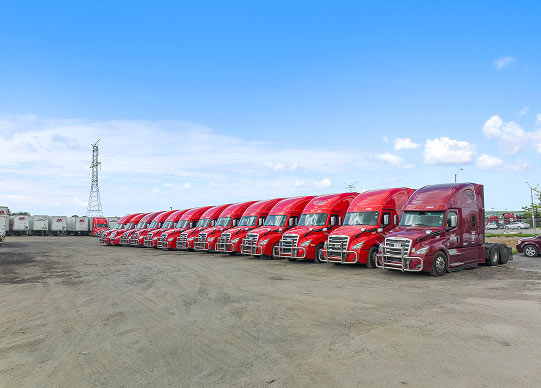
At Wheel King Transhaul, maintaining compliance is a critical requirement. We strictly follow safety protocols, continually upgrade our fleet and participate in recognized programs such as C-TPAT, FAST, CSA and PIP. Our systems offer visibility and insights that allow us to proactively meet and exceed standards, so our customers can focus on their business with confidence.
Your supply chain does not have to suffer from the ongoing regulatory changes. If you keep yourself updated and work with partner who prioritize compliance, you can ensure the continued safe, dependable and timely delivery of goods.


Leave a Reply